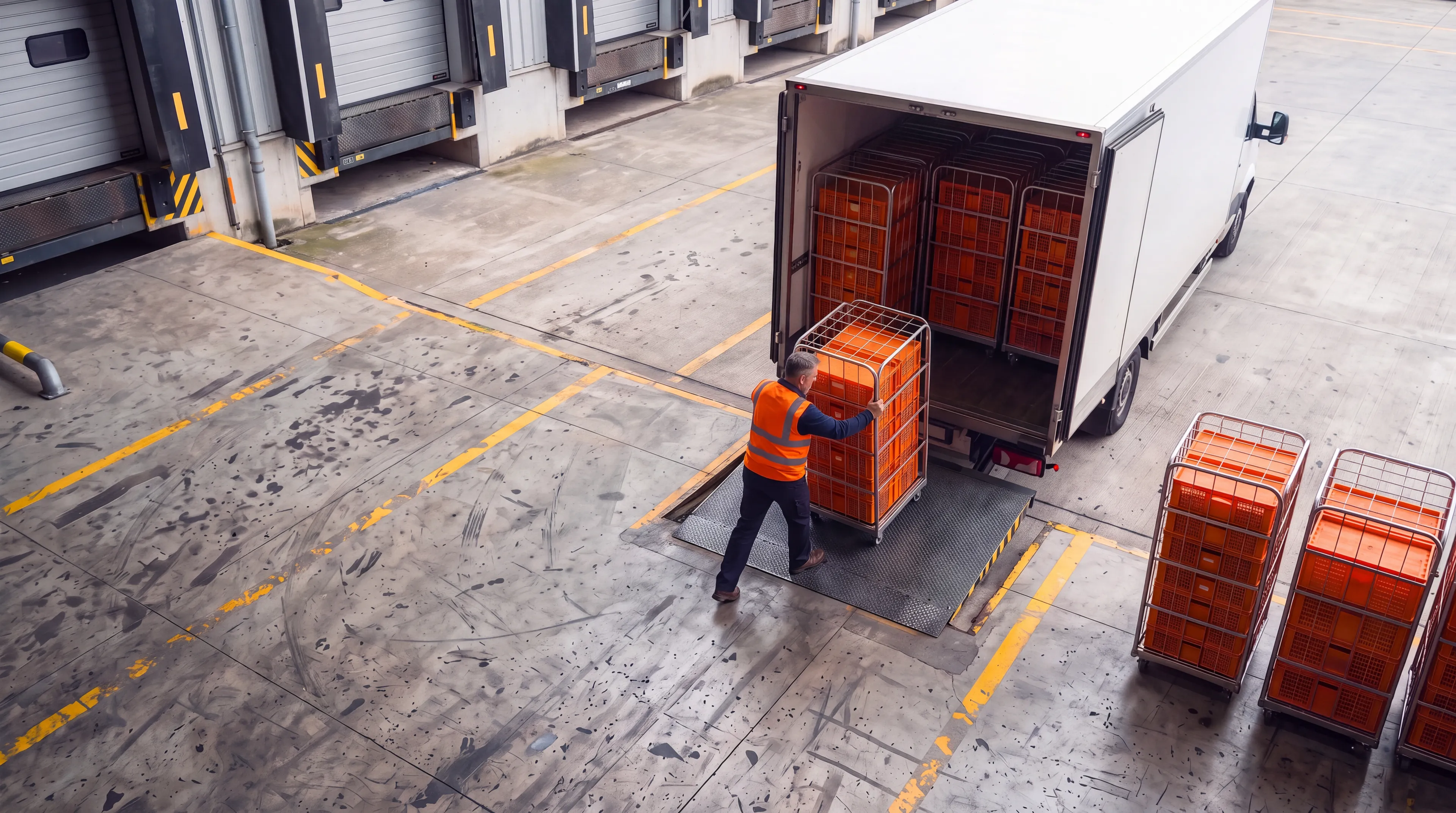
Knowing where a trailer is isn't the same as proving what was inside it.

Trailers are decoupled, equipment changes hands and the paperwork rarely tells the whole story, yet you remain answerable for all of it. CLC connects the trailers and equipment you already own, so you know where they are and can settle disputes on facts rather than one word against another.

  • Trailer equipment loss

    CLC connects your trailer equipment, so you know when a forklift, pump truck or safety bar is not returned from a DC.

  • Trailer utilisation

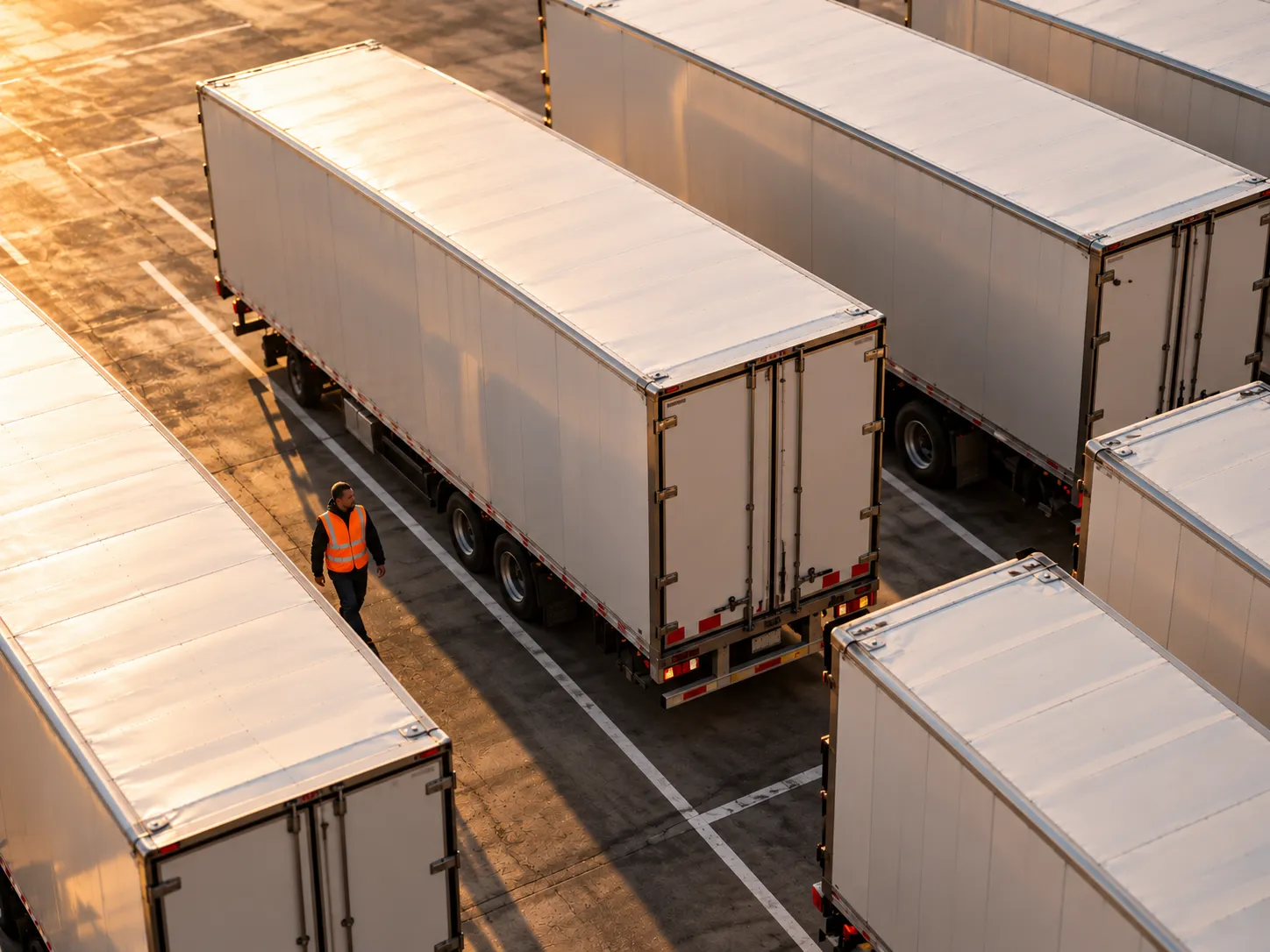
    With CLC, you know where decoupled trailers are parked and how long they stand idle, so fleet decisions rest on facts.

  • Fewer disputes, less admin

    A reliable record of handovers settles claims on facts and replaces much of the manual registration and reconciliation.

Knowledge that grows

Fleet data for transport and logistics that grows in value

Visibility is where it starts, not where it ends. The data that shows where your trailers and equipment are also reveals patterns in dwell time, utilisation and waiting at the dock, so you can act on them and build towards a fleet that is planned on facts. 

  • Insight into where your trailers and equipment are and how they are used.

  • Alerts when equipment is not returned or a trailer stands idle for longer than expected.

  • Verifiable records for claims, customer requirements and internal reporting.

Proof by default

Settle disputes on records rather than on words

Proof should not be something you have to argue for, which is why CLC registers where your trailers and equipment have been, so claims are settled on facts. 

  • Registered arrival, waiting and departure for every connected trailer. 

  • Data that helps you meet the reporting requirements of your customers.

  • A verifiable track record you can bring into tenders.

How transport and logistics companies get started with CLC

Transport connects every other part of the supply chain, so connecting your fleet creates value for your own operation first and for your partners next. We start with the problem you need to solve today and turn the knowledge you gain into supply chain optimisation.

  • 1. Start with your trailers

    Every solution starts with a question rather than technology, such as where equipment goes missing. We connect your trailers first, because they also recognise the equipment travelling with them, and deliver the complete solution as one partner.

  • 2. Optimize with knowledge

    CLC analyses what happens across your fleet and, together with you, activates the insights that matter most, such as dwell time, waiting times or equipment that is not returned. That knowledge settles disputes on evidence, enriches your TMS with verified data and shows where your operation can perform better.

  • 3. Become the connecting link

    Transport is where producers, poolers and retailers meet. Because your connected trailers can also recognise connected load carriers travelling inside them, you can offer your customers insight into their load carriers in transit and become the link that makes the supply chain more continuous.

Get a free supply chain quickscan

Let's uncover the hidden potential in your asset flows.

One quick scan. Zero obligations. Backed by real expertise.

What changes when your trailer fleet is connected

With CLC

  • Delays you can explain

    Arrival, waiting and departure are registered for connected trailers, so you can show customers where time is lost and discuss compensation on facts.

  • Parked trailers in sight

    Trailers stay visible after they are decoupled and parked, so you know where everything you are answerable for actually is.

  • Planning on your data

    Insight into where trailers stand still and how your fleet is used builds over time, laying the foundation for leaner planning and supply chain optimisation.

  • Enriched TMS data

    CLC enriches your TMS with verified location and movement data, so travel logs and locations are updated automatically instead of depending on incomplete input.

Without CLC

  • Time lost at the dock

    Drivers lose hours waiting at loading docks, often without compensation, while nobody can reliably show where the delay actually started.

  • Lost from view

    Once a trailer is decoupled, telematics visibility usually ends, while you remain answerable for the trailer, its equipment and everything inside it.

  • Planning on experience

    Fleet decisions rest on experience and estimates, because nobody has a reliable picture of how trailers and equipment are actually used.

  • Unverified fleet data

    Locations and movements in your TMS are incomplete and not updated automatically, so the data is only as reliable as the last update someone made.

Frequently asked questions

Do we need to replace our TMS or telematics?
No, CLC works alongside your existing systems and enriches your TMS with verified location and movement data, so your team keeps planning in the tools it already uses.
How do we get started?
The best starting point is a free supply chain Quickscan, a short, no-obligation consultation in which we look at your operation and identify where connecting your trailers creates the most value. From there, you can start with a group of trailers and expand step by step.
How do we know with CLC’s solution when equipment is left behind at a DC?
Forklifts, pump trucks and safety bars are fitted with tags that the device on your trailer recognises. When equipment leaves the trailer at a DC and does not come back, CLC flags it, so you can follow up while recovery is still realistic instead of discovering the loss weeks later.
Can CLC show where the pallets and roll cages we transport are?
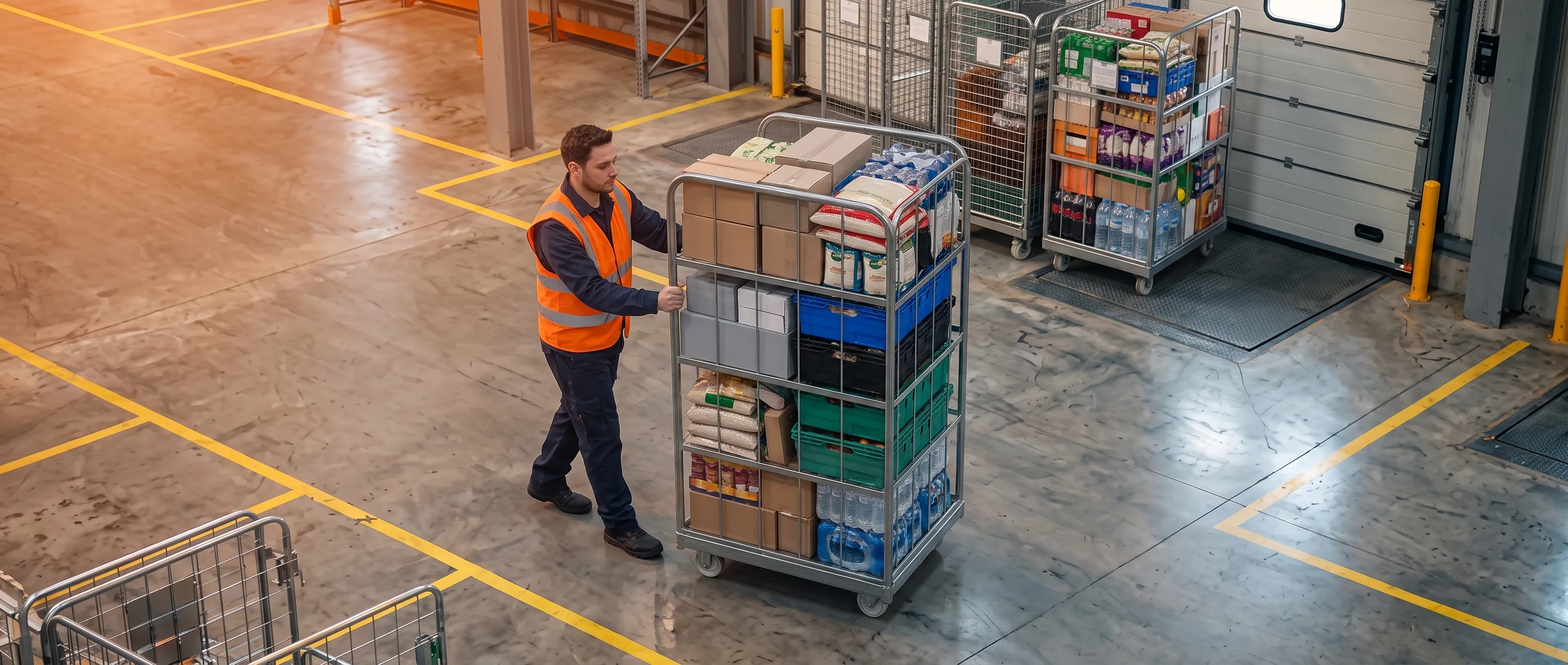
Only when those load carriers are connected as well. Your connected trailers can recognise connected load carriers travelling inside them.
How does CLC help us settle disputes?
CLC registers when connected trailers arrive at, wait at and depart from a location, which gives you a reliable record of what happened. When a claim arises, you can rely on that record instead of one party's word against another's, which also reduces the time spent on manual reconciliation.

Transport has always carried the goods of the supply chain and now it can carry the knowledge too, turning each connected trailer into a link in a supply chain that gets smarter with every connection.