



Built with industry partners for reliable, scalable load carrier intelligence
Reliable knowledge about load carriers depends on the technology underneath it, which is why CLC works with established technology and supply chain organisations. Together, we build infrastructure that holds up in real supply chain conditions and scales with your operation.

Continuity across the network

Precision at critical touchpoints

One complete solution from CLC
 Our approach
Why CLC combines technologies instead of relying on one
Not every point in a supply chain calls for the same kind of detection. Across the wider network, what matters most is continuity: keeping knowledge about load carriers intact as they move between locations and parties.
At touchpoints such as loading docks or handovers between organisations, speed and certainty matter more, because a decision has to be made the moment a load carrier passes. High-precision detection at every point would be cost-prohibitive, so CLC combines technologies and uses each one where it adds the most value.
Combining technologies this way enables use cases that no single technology could deliver on its own, such as automated proof of delivery, immediate misload detection and verified handovers.
Built with industry partners
The technology, standards and network behind CLC
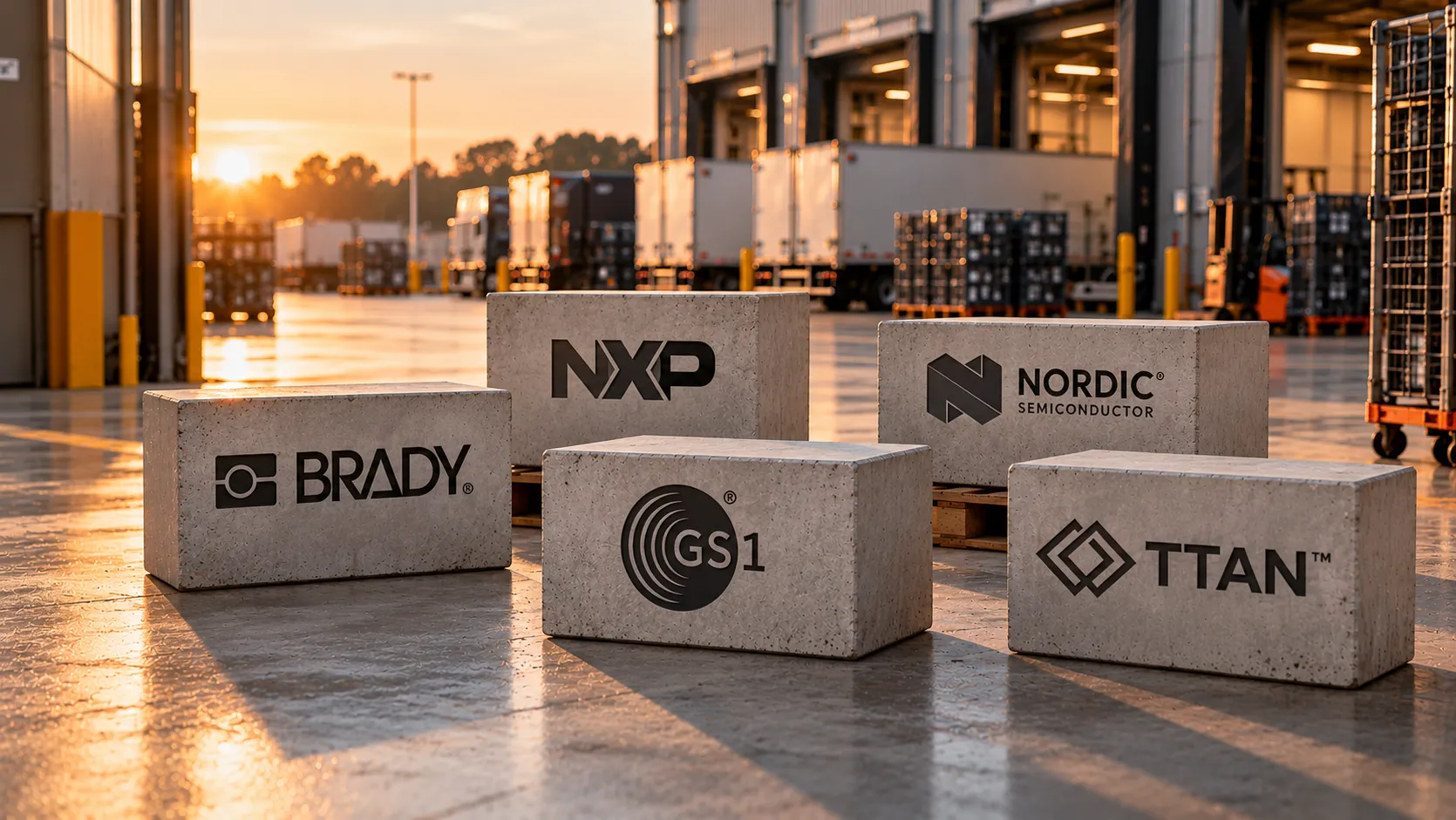
NXP : Technology partner contributing to the foundation of CLC's solution.
Nordic Semiconductor : Technology partner helping CLC build reliable, scalable infrastructure.
Brady : Instant, high-certainty identification at critical touchpoints in the supply chain.
GS1 : Global standards that give load carrier data a common, reliable basis across the supply chain
TTAN : An independent network for digital supply chains, used by CLC to connect load carriers.

One solution from CLC, built with industry knowledge
Working with several industry partners does not mean you work with several suppliers. CLC brings partner technology together into one working solution and provides the complete service, covering hardware, software, connectivity, installation and support. You keep a single point of contact at CLC, while your solution draws on technology developed by specialists in their field.
How CLC turns load carriers into connected load carriers
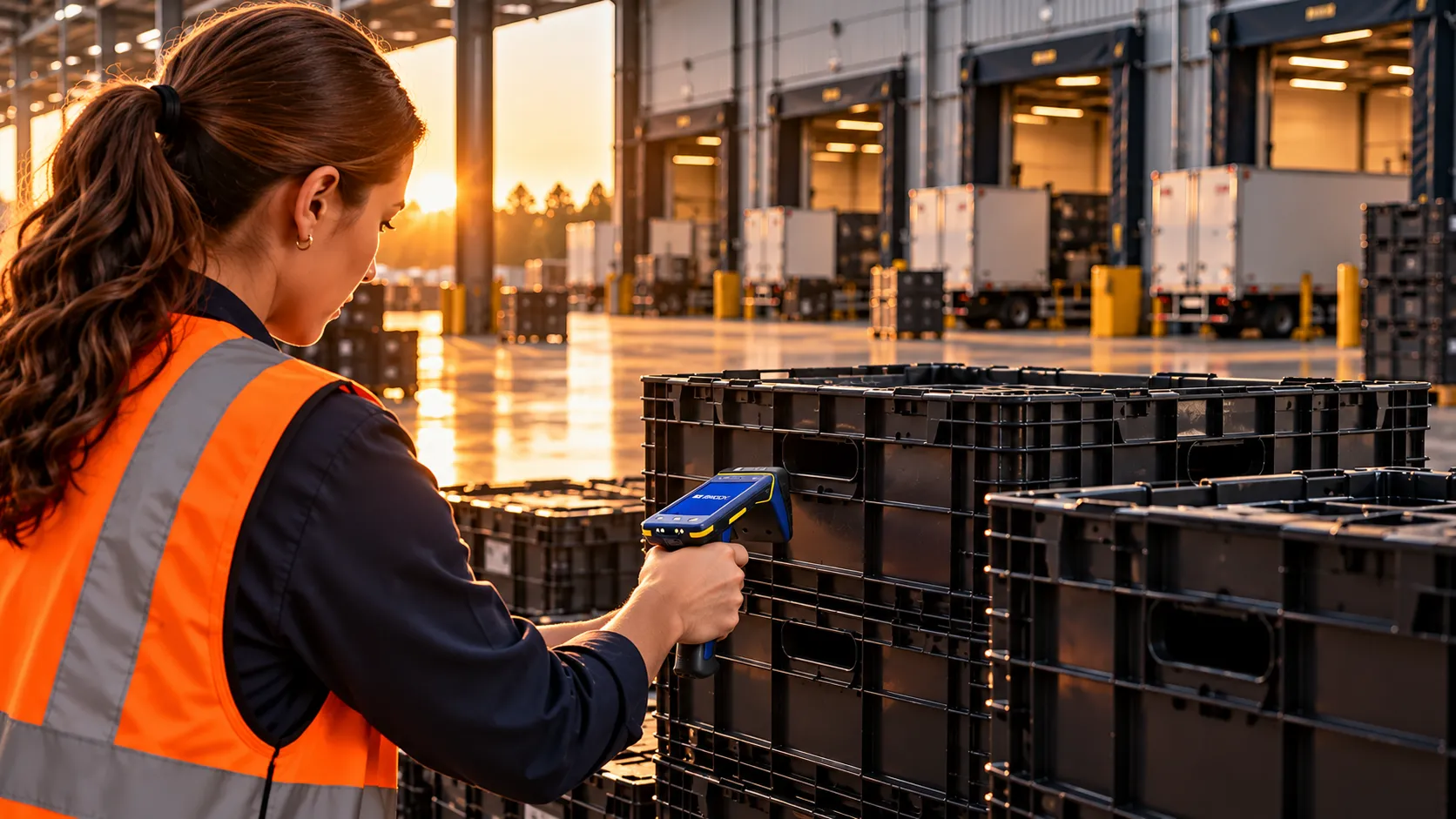
Partner technology is one part of the picture. CLC determines which knowledge you need, selects the technology that fits your operation and type of load carrier and turns the collected data into insights you can act on. To see how this works in practice, from the first scan to a working solution, read how CLC works.


Get a free supply chain quickscan
Let's uncover the hidden potential in your asset flows.
One quick scan. Zero obligations. Backed by real expertise.