
Visibility is where supply chain optimisation starts, not where it ends

CLC turns your load carriers into connected load carriers. Once they can be recognised at the locations and vehicles that matter to you, we translate the data they generate into valuable insights that show where your supply chain can perform better and how to get it there.

  • 1. Start where it matters

    Connect the load carriers and locations that matter most, so your first implementation delivers value straight away.

  • 2. Optimise with knowledge

    Turn the knowledge being built into insights that improve availability, utilisation and turnaround across your operation.

  • 3. Connect the ecosystem

    As more partners connect and work together, supply chain intelligence becomes continuous across the entire ecosystem.

1. Start

Start where value is easiest to create

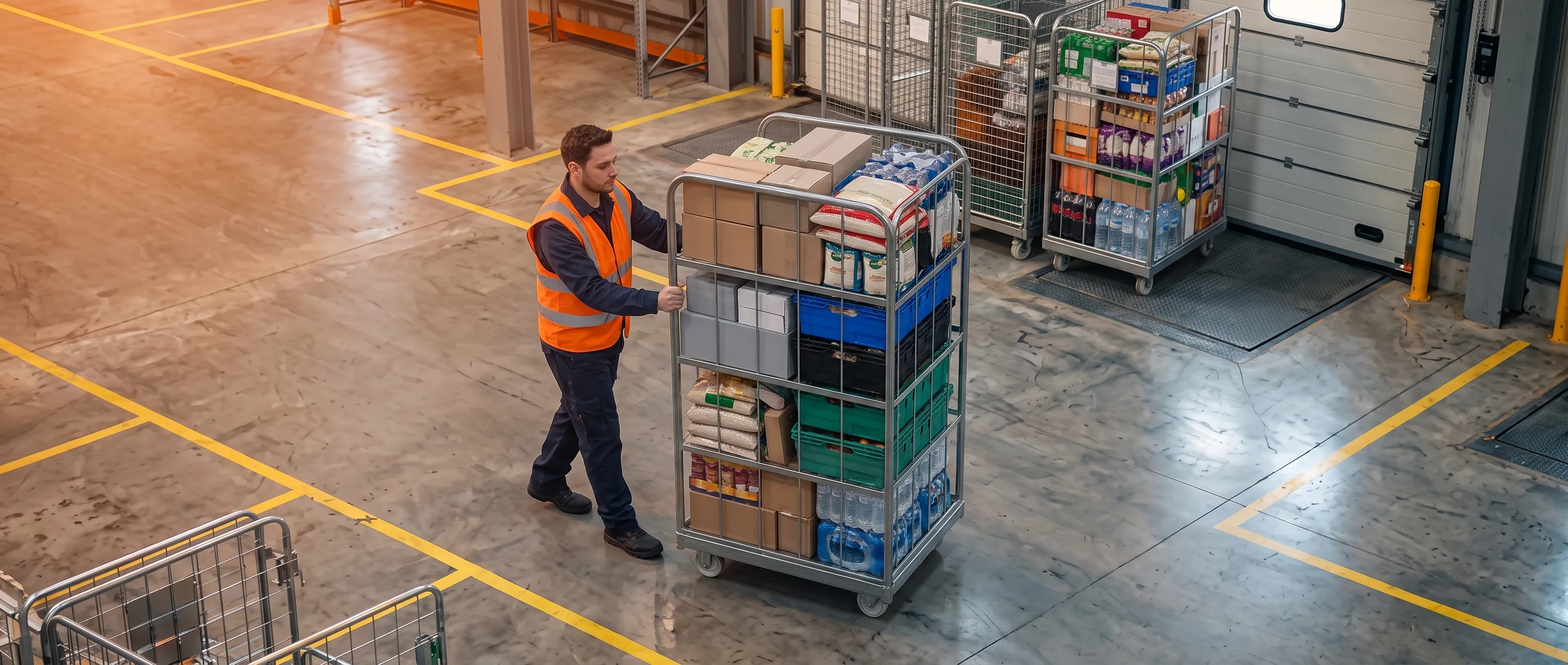
Connecting your supply chain does not mean connecting your entire operation at once. You can begin with one type of load carrier, a few locations or a focused pilot and expand step by step as new needs come up. What matters is that the first step answers a question that is relevant to your operation today, so it delivers value from the very first implementation. 

  • Not tied to one technology, so we select what fits your question, operating environment and type of load carrier.

  • One partner for the complete solution, from hardware and connectivity to installation and support.

  • Reliable knowledge from the first implementation, with room to expand step by step.

How CLC connects your load carriers

Behind every connected load carrier is a working solution that CLC designs around what you need to know. It combines the right technology on your load carriers, receivers at your points of interest and software that brings everything together, all delivered and supported as a service by one partner.

  • Connect your load carriers

    Every load carrier gets a digital identity of its own, provided by CLC with technology that suits the type of load carrier and its operating environment. This is what turns a load carrier into a connected load carrier.

  • Place receivers where it matters

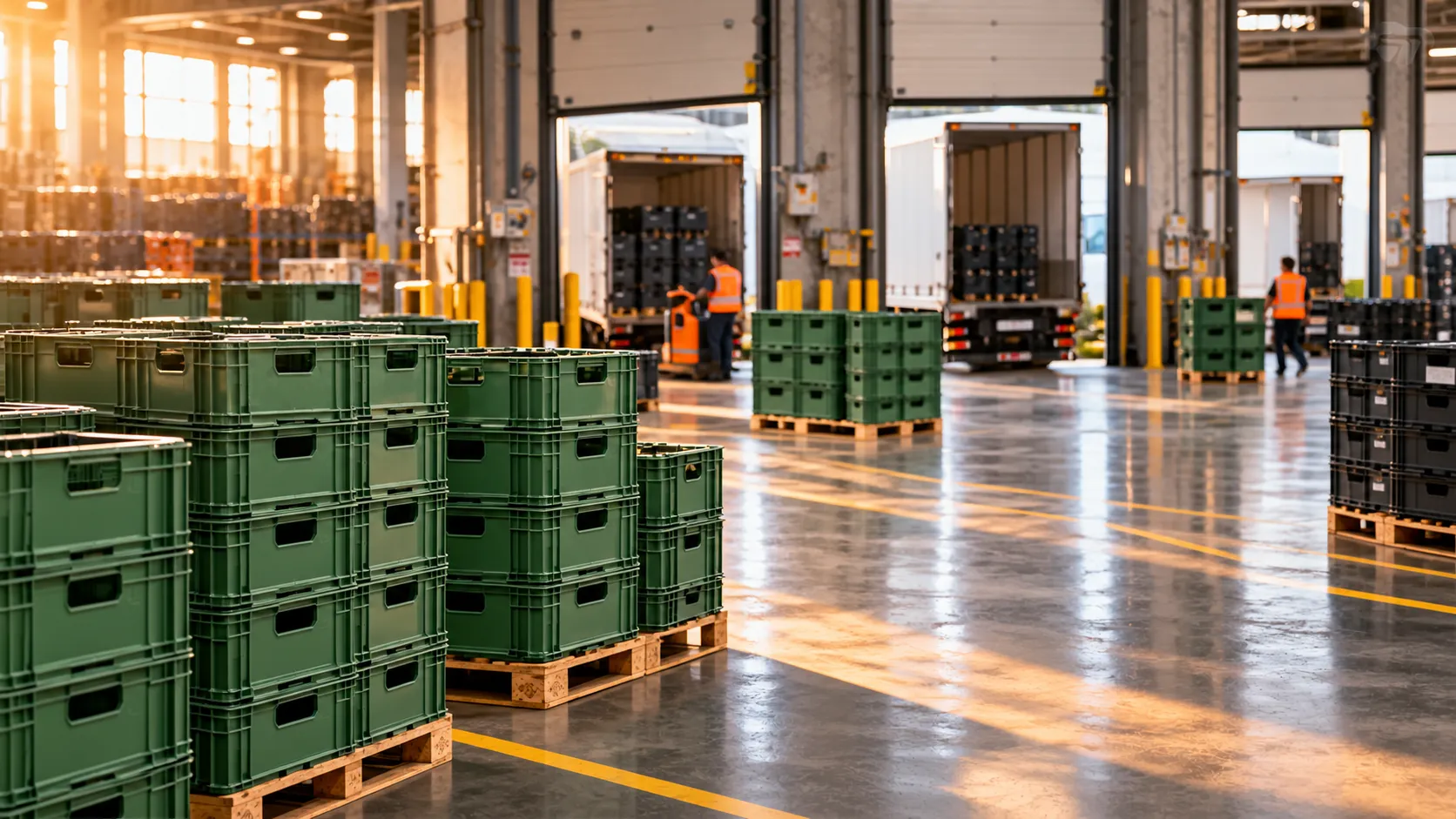
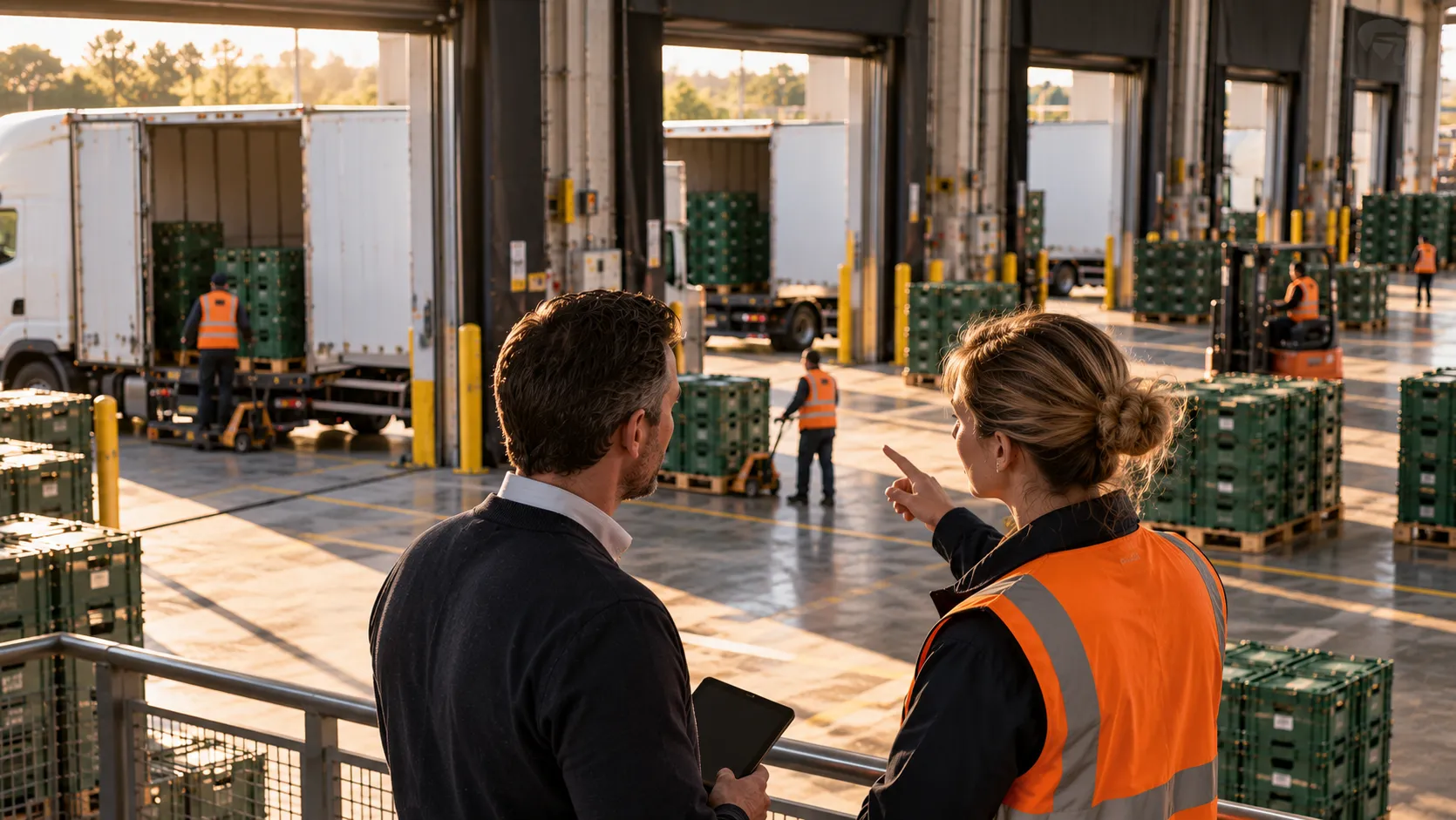
    Receivers are installed at your points of interest, such as warehouses, loading docks and trucks. They recognise and register connected load carriers whenever they come within range.

  • Make every movement count

    CLC takes care of combining and analysing the data from your load carriers and receivers, turning individual registrations into knowledge that supports better decisions.

2. Build

Turn knowledge into supply chain optimisation

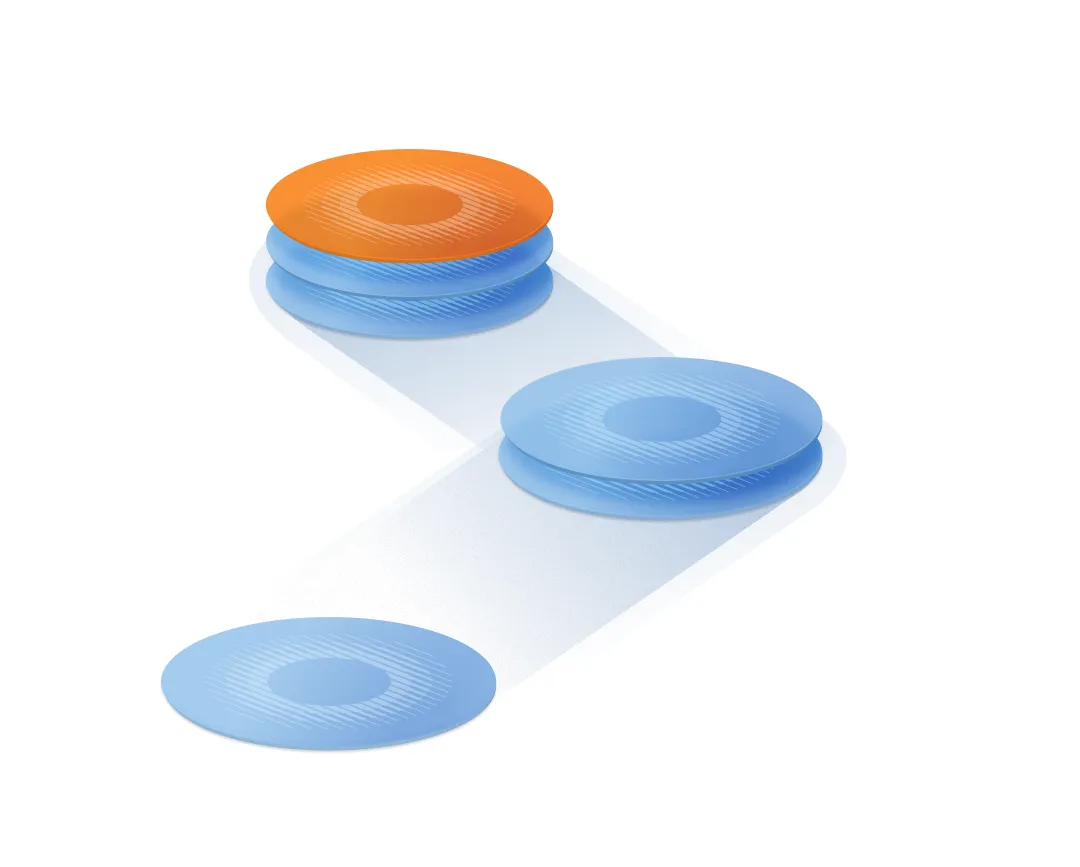
Knowing where your load carriers are is only the beginning. The knowledge being built holds far more, and together we turn it into the insights that help you optimise your supply chain and create measurable results.  

  • Focused on the insights that matter most to your organisation

  • Measurable value in less time spent on manual checks, lower buffer stock and better use of your load carriers  

  • Pricing that reflects the business value created, not the volume of data or the technology used

3. Build

Value grows when your supply chain partners connect too.

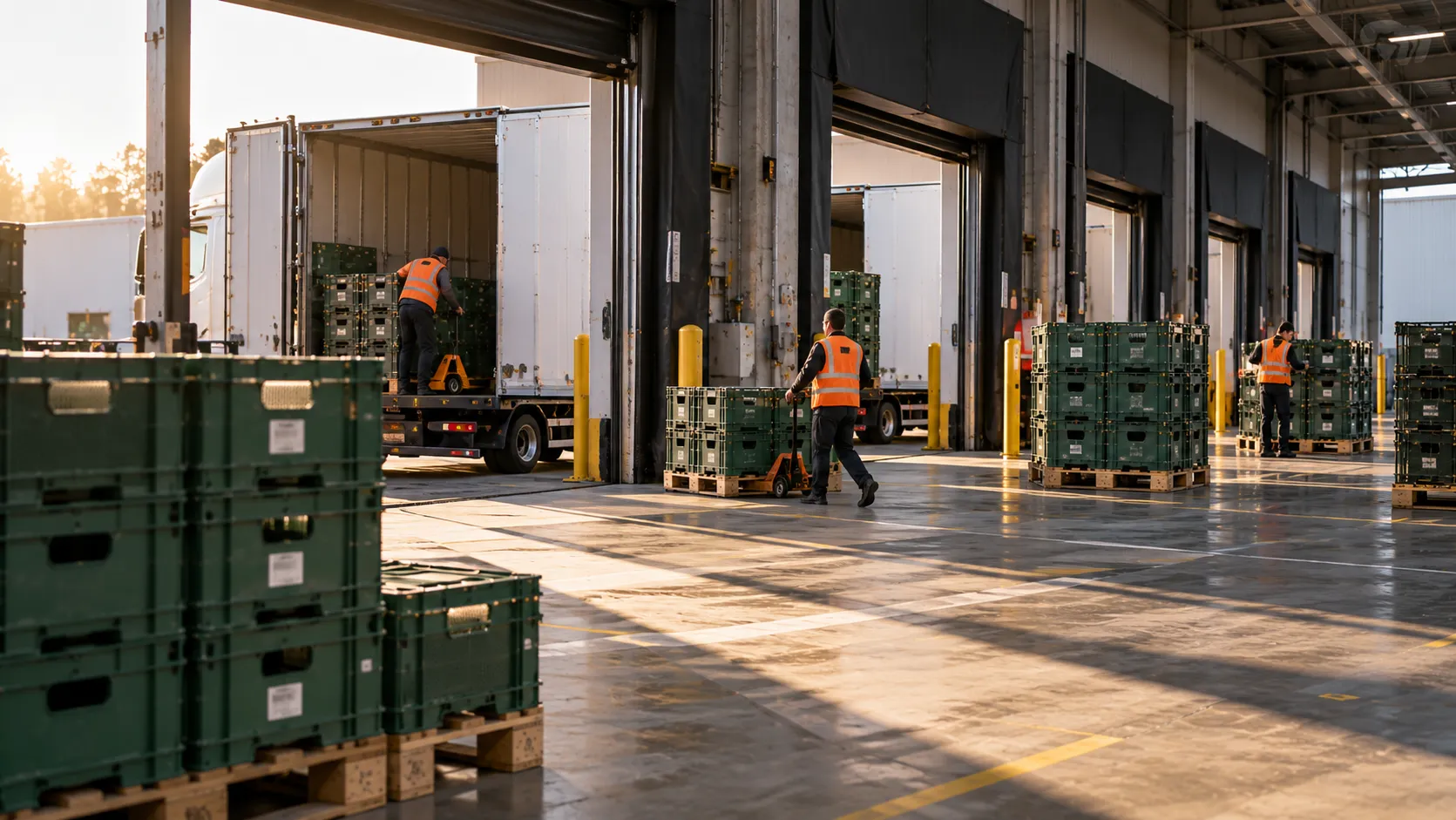
Retailers, producers, poolers and transport companies then work from the same facts about shared load carriers, which makes handovers clearer and collaboration easier. CLC uses TTAN™, an independent network for digital supply chains, so your load carriers can also be recognised at locations and on vehicles of other organisations, while each organisation controls what data it shares. 

Solving today's problem can be the first step towards continuous knowledge across your supply chain. Starting small creates value now and opens more possibilities with every new connection.

Frequently asked questions

What is a connected load carrier?
A connected load carrier is a load carrier, such as a pallet, roll container, crate or tote, that has been given a digital identity. This allows it to be recognised at relevant points throughout its journey, for example when it passes a receiver at a warehouse, loading dock or on a truck. The data from those moments is what CLC turns into knowledge and insights.
Do we need to connect our entire operation at once?
No. You can begin with one type of load carrier, a few locations or a focused pilot, and expand step by step once its value has been proven. The first implementation is designed around a question that matters to your operation today, so it creates value from the start and gives you a foundation to build on.
Which technology does CLC use?
CLC is not tied to one technology. We select and combine the technologies that best fit your question, your operating environment and your type of load carrier, such as RFID, beaconing, localisation and connectivity technologies. CLC delivers the complete solution, covering hardware, software, connectivity, installation and support.
Does CLC replace our ERP, WMS or TMS?
No. CLC can add a layer of knowledge about your load carriers to your existing systems, while systems such as ERP, WMS and TMS remain responsible for planning and execution. The knowledge CLC builds can be used in whatever way fits your operation.
How does CLC's pricing work?
CLC's pricing reflects the business value that its data and insights create, rather than the volume of data collected or the technology used to collect it. Which insights are activated is decided together with you, based on where the greatest value lies for your organisation.
What is TTAN™ and how does it relate to CLC?
TTAN™  is an independent network designed specifically for digital supply chains. CLC uses TTAN™ -compatible technology, so every compatible receiver CLC installs becomes part of the network. Receivers installed by other organisations can also recognise your compatible load carriers, which brings movements and handovers beyond your own coverage into view. TTAN™  carries the signals, while CLC turns them into insight and each organisation stays in control of what data it shares.